
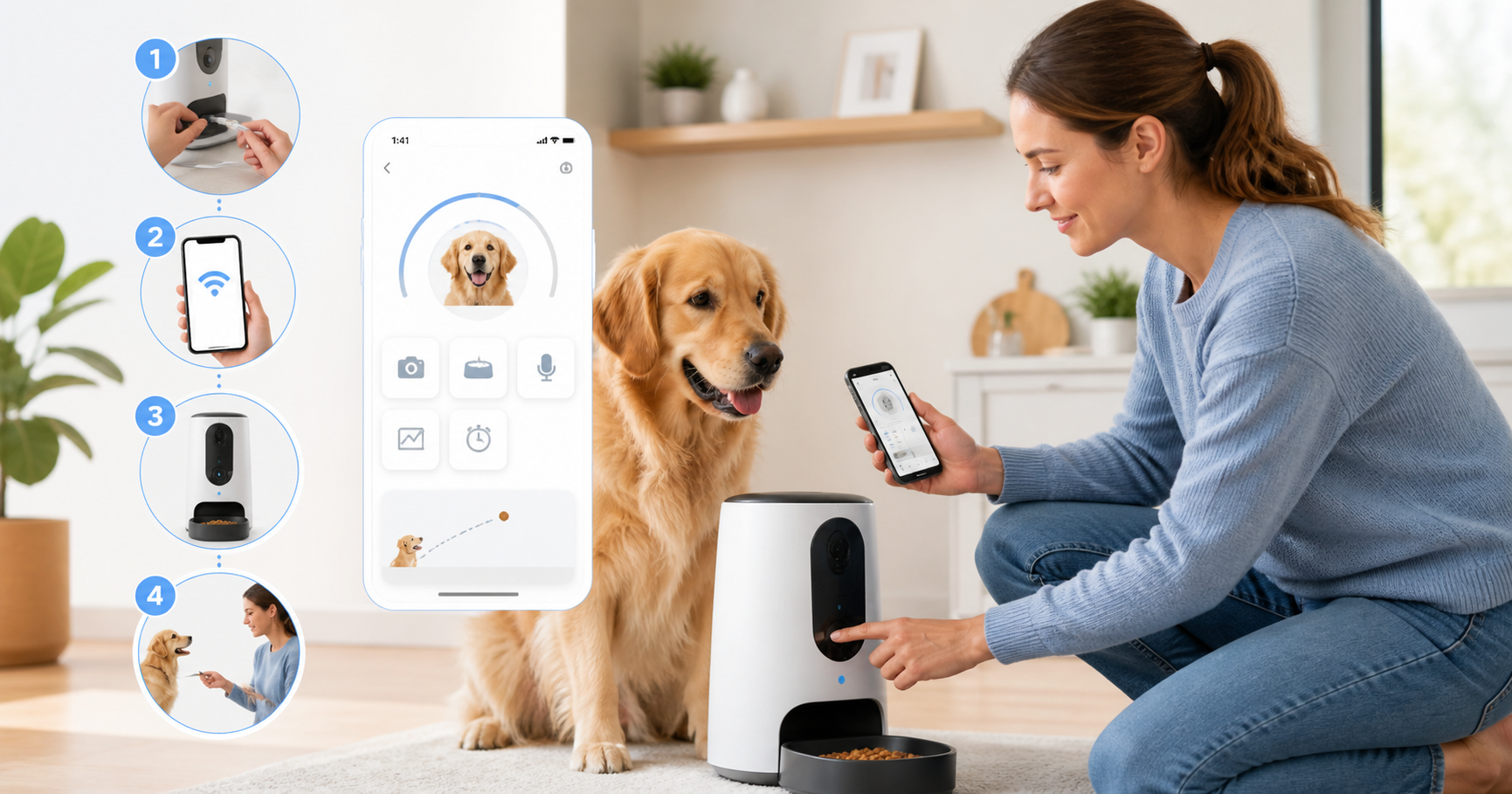
If you’re wondering how does dog GPS tracker for small dogs work and whether it’s a practical addition to your pet care routine, you’re in the right place. Small dogs can be prone to sneaking off or getting lost, and a reliable GPS tracker offers a way to keep tabs on their whereabouts with minimal hassle. This article will help you understand how to set up these trackers, how the app works, and what daily use looks like for busy pet parents.
Disclosure: As an Amazon Associate I earn from qualifying purchases.
Check the latest availability on Amazon:
View product on Amazon
Quick Answer
Dog GPS trackers for small dogs work by using a combination of GPS satellites, cellular networks, and Bluetooth technology to provide real-time location tracking through a smartphone app. After initial setup—attaching the tracker and connecting it to the app—owners can monitor their pet’s movements, receive alerts, and set safe zones to avoid wandering. These devices are designed to be lightweight and comfortable while offering peace of mind, especially for dogs that love outdoor adventures.
How Dog GPS Trackers Help Small Dog Owners Keep Track of Their Pets
Tracking your small dog’s location in real time contributes significantly to pet safety and ease of mind. Unlike larger dogs, small breeds might slip through fences, find tiny escape routes, or get distracted during walks. A GPS tracker designed specifically for small dogs takes their size and comfort into account, ensuring it doesn’t weigh them down or interfere with their collar. These devices often come paired with an intuitive app that provides convenient access to location data anytime from your phone, allowing quick responses if your dog wanders off.
Additionally, GPS trackers may include features like geofencing, which alerts you if your dog leaves a predefined safe area, and activity monitoring to give insights into your dog’s daily movement patterns. By combining multiple tracking methods (GPS for outdoor accuracy and Bluetooth for close-range precision), these trackers are especially practical for busy pet parents who want to stay connected without constant physical supervision.
Key Features
Understanding these key features helps you evaluate how well a dog GPS tracker fits your needs and lifestyle.
| Feature | What It Means | Real-World Benefit | What to Check |
|---|---|---|---|
| GPS + Cellular Tracking | Uses satellites and cellular networks for location data | Real-time outdoor location updates wherever there’s cellular coverage | Check coverage maps in your area; rural locations may have weak signal |
| Bluetooth Proximity | Short-range communication using Bluetooth | Improved location accuracy in close quarters and indoor spaces | Bluetooth range is limited; app needs to be nearby for accurate indoor tracking |
| Lightweight and Small Form Factor | Compact design suitable for small dogs | Doesn’t burden or irritate your pet during walks or playtime | Verify the device’s dimensions and weight relative to your dog’s size |
| Mobile App Integration | Companion app for smartphone control and alerts | Easy setup, zone settings, live tracking, and notifications on the go | Check for app reliability, user reviews, and compatibility with your phone |
| Geofencing Alerts | Create safe zones and get notified if your dog leaves them | Immediate alerts reduce the risk of your dog getting lost | Test alert timings and accuracy after setup |
| Battery Life and Rechargeability | How long the device runs before needing a recharge | Longer battery life means less frequent charging, easier daily use | Check charging requirements and how easy it is to recharge the unit |
Real-World Trade-Offs to Consider
While dog GPS trackers offer great convenience, there are practical trade-offs to keep in mind. Many trackers rely on cellular networks, so coverage gaps may affect location updates, especially in rural or heavily wooded areas. Connection issues between the device and the app can sometimes cause delayed notifications or imprecise location reporting. Battery life varies by model and usage, so daily or weekly charging routines might be necessary, which can be cumbersome for some owners.
In addition, subscription fees for cellular service often apply. Although these fees enable real-time tracking features, they add to the ongoing cost of ownership. Some apps can have a learning curve or occasional glitches, so choosing a tracker with a well-reviewed, user-friendly app is important. Device size and collar compatibility should also be checked to ensure your small dog can wear the tracker comfortably without irritation.
Who This Is Best For
- Owners of small dogs prone to wandering or escaping fenced yards
- Busy pet parents looking for tech-enabled peace of mind
- Those who want to monitor their dog’s location without constant physical supervision
- Outdoor enthusiasts who take their small dogs hiking or to parks
- Pet owners interested in combining pet health tracking with GPS location data
What to Watch Out For
- Subscription fees for cellular tracking services may add ongoing expenses
- Coverage limitations in areas with poor cellular service or inside buildings
- App reliability and compatibility with your smartphone model and OS
- Battery life requiring regular charging, sometimes every day or few days
- Device size and how securely and comfortably it fits on small dog collars
- Potential connection delays or temporary loss of signal affecting timely alerts
Pros and Cons
| Pros | Cons |
|---|---|
| Helps keep track of small dogs in real time, increasing safety | Subscription fees can increase cost beyond initial purchase |
| Lightweight design suited for small breeds ensures comfort | Battery requires frequent charging for reliable operation |
| App integration allows convenient monitoring and geofencing alerts | Connection quality depends on cellular and Bluetooth signal strength |
Buying Advice From a Pet Shop Perspective
From two decades of experience helping pet owners choose technology, I recommend carefully considering your small dog’s size and activity level when selecting a GPS tracker. Ensure the device is not too bulky or heavy, so your dog stays comfortable during everyday wear. Review the app’s user interface and check that it is compatible with your phone to avoid frustration later.
Subscription services are typical for GPS tracking, so factor ongoing fees into your budget. Look at the battery life claims and ask about real-world recharge frequency, since daily charging can be inconvenient. Also, consider how well the device stays connected in your common environments—whether urban, suburban, or rural. Finally, make sure the tracker can be cleaned easily, especially if your dog loves outdoor adventures that can get messy. Check the return policy too, just in case the device doesn’t fit your dog’s lifestyle or collar setup.
Frequently Asked Questions
Does the tracker require a monthly subscription fee?
Most GPS dog trackers for small dogs use cellular networks and do require a subscription for real-time tracking services. These fees cover network access and software support but vary by provider.
Can I use the tracker for my cat?
While some trackers can be used on cats, the device size and collar compatibility should be checked carefully, as some are specifically designed with small dogs’ collars and lifestyles in mind.
How often does the battery need charging?
Battery life can range from a day to over a week depending on use, GPS activity, and model specs. Regular daily or weekly charging is common, so convenient charging solutions help with daily use.
Is the tracker waterproof or water-resistant?
Many trackers offer some degree of water resistance to protect against rain or splashes, but fully waterproof models vary. It’s important to know how your tracker handles outdoor conditions and swimming.
How accurate is the GPS location data?
GPS provides reasonably precise outdoor location data but can vary due to environmental factors like buildings or trees. Indoor tracking is typically supported with Bluetooth but is less precise outdoors.
What should I do if the app loses connection to the tracker?
Connection issues can be resolved by checking cellular or Bluetooth signals, restarting the app, or moving to an area with better reception. Persistent issues may require contacting customer support or troubleshooting device settings.
Check the latest availability on Amazon:
View product on Amazon
Final Verdict
Dog GPS trackers designed for small dogs offer a practical solution for pet owners wanting smarter monitoring and extra peace of mind. These devices blend collar-friendly size with app-connected location tracking to help keep tabs on curious or adventurous pets. They can be especially useful for outdoor activities and busy schedules, where constant supervision isn’t always possible. Before buying, be sure to check subscription requirements, battery life, comfort for your dog, app reliability, and network coverage to ensure the tracker fits your household’s lifestyle smoothly.