
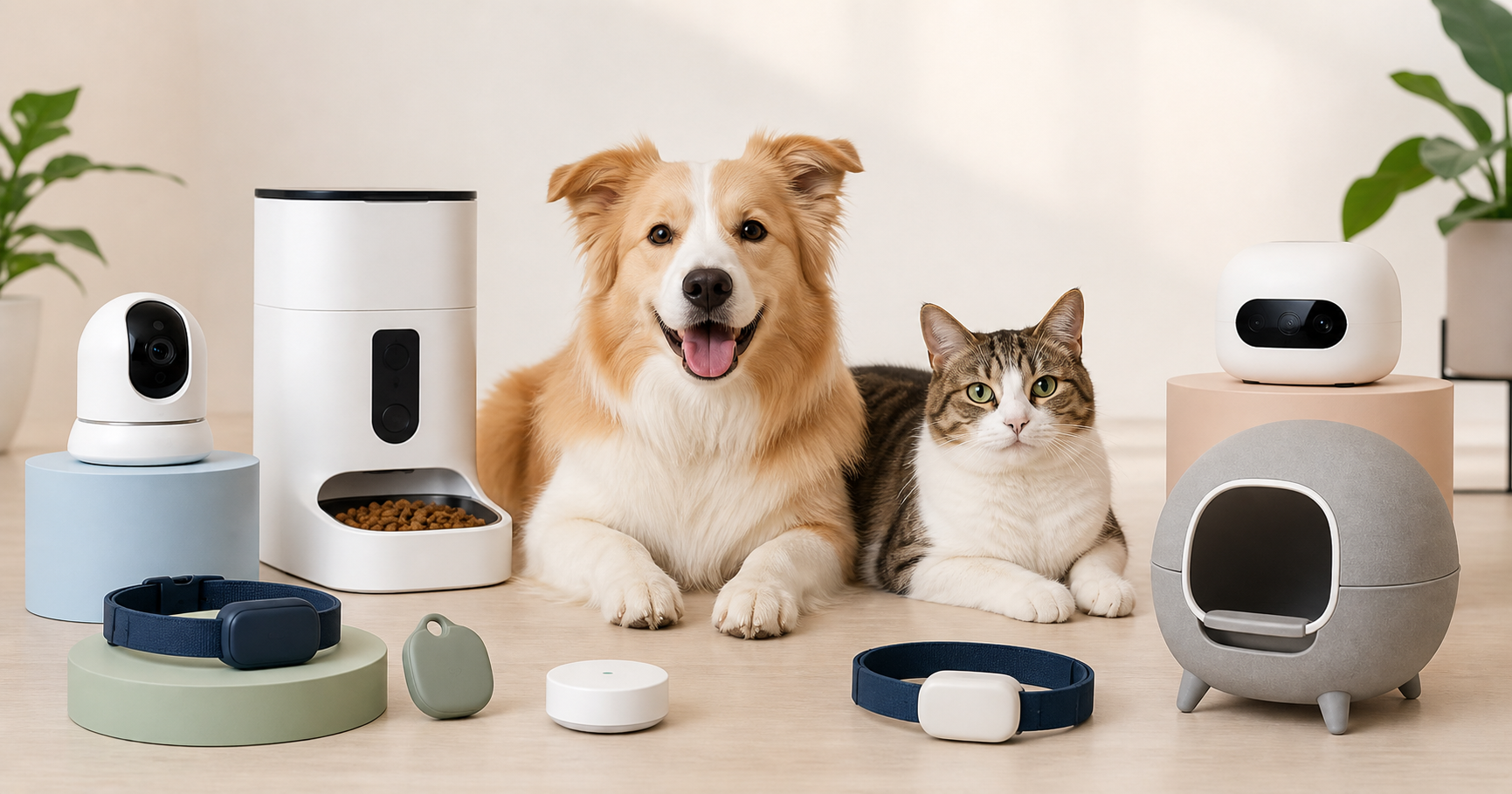
When considering pet safety and convenience, especially for small dogs, it’s common to weigh the benefits of a dog GPS tracker for small dogs versus alternative solutions like microchips, Bluetooth trackers, or traditional collars. Understanding the differences in features, value, subscription requirements, and usability will help you decide what fits your lifestyle and your pet’s needs. This article breaks down those factors so you can make a clear choice for your furry friend.
Disclosure: As an Amazon Associate I earn from qualifying purchases.
Check the latest availability on Amazon:
View product on Amazon
Quick Answer
A dog GPS tracker designed specifically for small dogs offers precise location tracking with real-time updates through an app, which can be invaluable for pet safety. However, alternatives like Bluetooth trackers or microchips may offer lower costs or easier maintenance but often lack live tracking and can have range or usability limitations. Your decision depends on whether continuous location data and app integration outweigh costs and subscription commitments.
Why Comparing Dog GPS Trackers for Small Dogs Versus Alternatives Is Important
Small dogs present unique challenges when it comes to wearable technology—they require lightweight, comfortable devices without sacrificing functionality. GPS trackers deliver live location data, which helps outdoorsy or escape-prone dogs, supporting pet safety and owner peace of mind. On the other hand, alternatives like Bluetooth devices provide less precise tracking but can be more affordable and simpler to use for indoor or low-risk pets. Comparing these options helps dog owners balance convenience, cost, and effectiveness for everyday pet care.
Key Features
| Feature | What It Means | Real-World Benefit | What to Check |
|---|---|---|---|
| Real-time GPS Tracking | Continuous location updates via satellite and cellular networks. | Allows owners to quickly locate a wandering or lost dog using a smartphone app. | Confirm GPS accuracy and coverage in your area; check battery drain with frequent updates. |
| Lightweight, Compact Design | Device size and weight suitable for small dogs. | Offers comfort and wearability without putting strain on your pet’s neck. | Check actual device dimensions and weight; ensure collar compatibility and dog comfort. |
| Mobile App Integration | Syncs data and tracking info to a user-friendly app. | Enables easy monitoring, safe zone settings, and notifications directly from a smartphone. | Evaluate app stability, user interface, and compatibility with your mobile device. |
| Subscription Service | Monthly or annual fee for cellular connectivity and app features. | Provides continuous GPS data and cloud services. | Review cost transparency, contract terms, and cancellation policies before committing. |
| Battery Life & Charging | Device runtime between charges and recharge process. | Longer battery life reduces frequency of recharging, ensuring uninterrupted tracking. | Check charging method convenience and prepare for regular battery maintenance. |
| Water Resistance & Durability | Protection against elements like rain or mud. | Ensures consistent function during outdoor activities and rough use. | Verify resistance rating and cleaning instructions to maintain longevity. |
Common Buyer Concerns to Check Before Buying
While GPS trackers bring enhanced location monitoring, some owners experience setup challenges such as app connectivity issues or Wi-Fi troubles during installation. Regular charging demands can be a hassle for those with very active dogs, and some find ongoing subscription fees to be a significant consideration. Additionally, network coverage might be spotty in rural or poorly serviced areas, which impacts tracking reliability. Device size and comfort should never be overlooked since an ill-fitting tracker can cause discomfort for small dogs. Device cleaning and maintenance is another practical aspect to assess before purchase.
Who This Is Best For
- Dog owners of small breeds who frequently take their pets outdoors or to unfamiliar places.
- Busy pet parents seeking reliable, real-time tracking via an app for peace of mind.
- Owners concerned with pet safety who want immediate location updates if their dog strays.
- Tech-savvy dog owners who appreciate smart pet devices integrated with mobile apps.
What to Watch Out For
- Subscription fees necessary for ongoing GPS functionality and app features.
- Possible spotty GPS or cellular network coverage in certain geographic areas.
- Careful evaluation of app interface to avoid buggy or unintuitive user experiences.
- The device size and comfort for your small dog’s breed and collar type.
- Battery life that may require frequent charging depending on usage intensity.
- Cleaning difficulty, especially if the tracker has exposed sensors or charging contacts.
- Potential delays in notifications if cellular signals are weak or smartphone connections falter.
Pros and Cons
| Pros | Cons |
|---|---|
| Real-time GPS tracking offers precise location updates for small dogs. | Monthly subscription fees add ongoing costs beyond the initial purchase. |
| App-connected features increase convenience and monitoring options. | Battery charging frequency may be high depending on usage and device size. |
| Lightweight design tailored for small breeds supports comfort. | Setup and app connectivity can sometimes be challenging for less tech-savvy users. |
Buying Advice From a Pet Shop Perspective
When choosing a dog GPS tracker for small dogs versus alternatives, focus on what fits your routine and your pet’s comfort. Measure the collar size and consider the device’s weight—not all trackers suit tiny breeds. Check the app’s compatibility with your smartphone and preview its interface if possible to avoid future frustrations. Subscription plans are a key part of the cost, so understand terms and additional fees before buying. Battery life directly impacts usability; a tracker that needs daily charging may be inconvenient for busy owners. Also, think about cleaning needs, especially if your dog is active outdoors. Learn the return policy to remain flexible in case the product doesn’t integrate well with your lifestyle or your pet’s needs.
Frequently Asked Questions
Does the tracker require a monthly subscription?
Yes, most GPS trackers for dogs use cellular networks to provide live location data and require a subscription for these services. The cost varies by provider, so it’s important to check details before purchasing.
Is this type of tracker suitable for cats or only dogs?
While primarily designed for dogs, some trackers may fit cats depending on their size and comfort. However, many cat owners prefer lighter, smaller devices tailored specifically for feline use.
How long does the battery typically last?
Battery life varies depending on the tracker model and usage intensity but generally ranges from several days up to a week. Frequent location updates can drain the battery faster.
Is the tracker waterproof or water-resistant?
Many dog GPS trackers offer some degree of water resistance suitable for rain and light splashing, but it’s advisable to confirm the waterproof rating if your pet swims or plays in wet conditions often.
Can I use the GPS tracker indoors?
GPS signals are generally less precise indoors due to signal obstruction. For indoor pets, Bluetooth trackers or other alternatives may offer better item-finding capabilities within a home environment.
What should I do if the app connection is unreliable?
Connectivity issues may stem from weak cellular or Wi-Fi signals. Try restarting the app, checking your phone’s settings, or resetting the device. Contact customer support if problems persist.
Check the latest availability on Amazon:
View product on Amazon
Final Verdict
A dog GPS tracker designed for small dogs can be a practical choice for pet owners who want enhanced monitoring, convenience, and faster response if a dog wanders off. It combines app-connected features with real-time tracking to improve pet safety. However, it’s essential to consider subscription fees, the device’s size and comfort for your pet, battery recharge requirements, and app usability before buying. Weighing these factors will help ensure the tracker fits your dog’s lifestyle and your routine, avoiding surprises after purchase.