
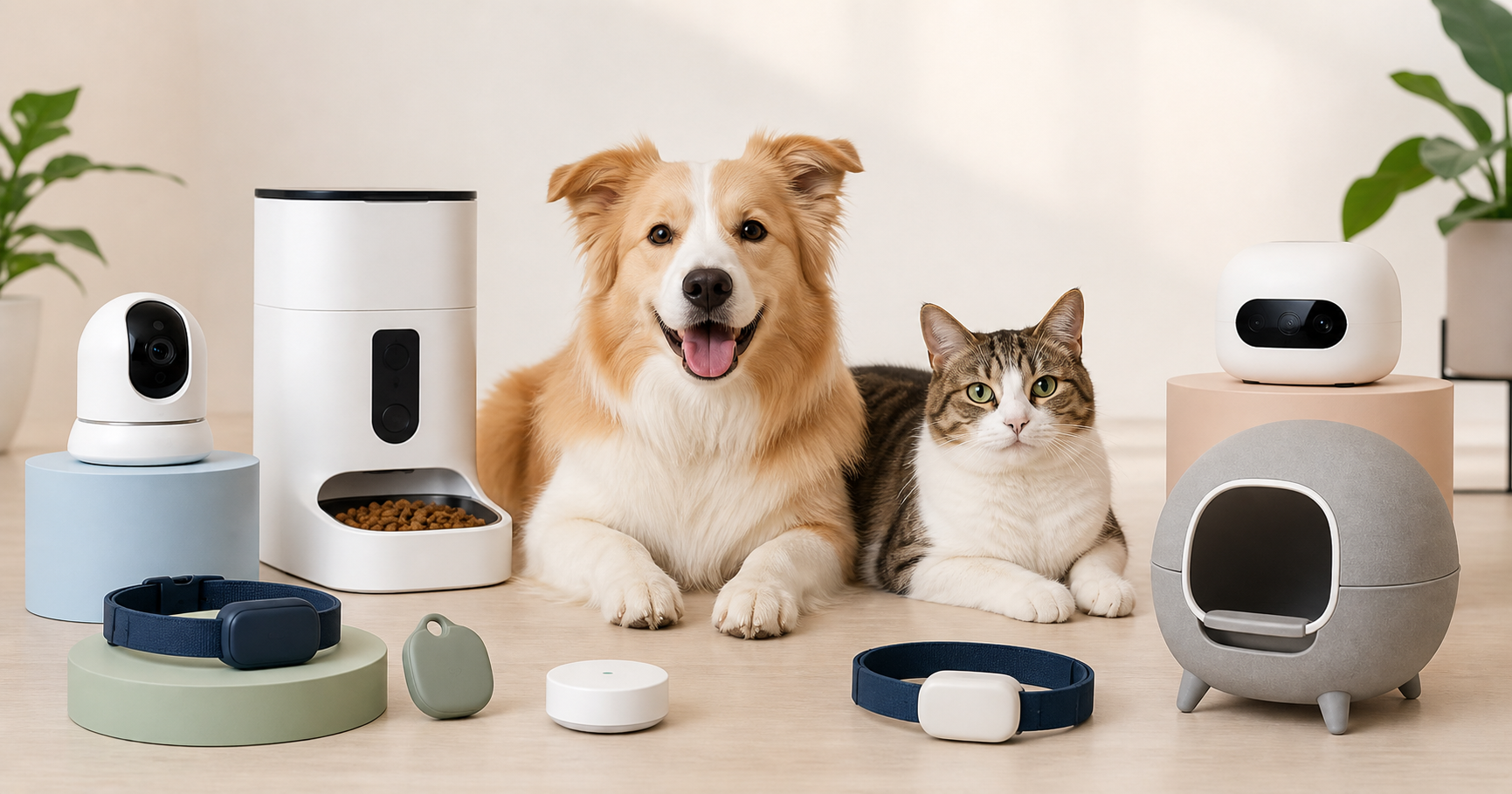
If you are exploring the idea of using a dog GPS tracker or one of its alternatives, it’s important to understand how each option stacks up in terms of features, value, subscription costs, and ease of use. Many pet owners want reliable location tracking and health insights for their furry friends but are cautious about hidden fees, charging routines, or app quality. This article on dog gps tracker review vs alternatives will help you weigh your choices clearly and decide which smart pet device might suit your lifestyle and your pet’s needs best.
Disclosure: As an Amazon Associate I earn from qualifying purchases.
Check the latest availability on Amazon:
View product on Amazon
Quick Answer
Dog GPS trackers provide a practical solution for real-time location monitoring, especially for active or outdoor dogs. Compared with alternatives like Bluetooth-only trackers or basic pet cameras, GPS trackers offer wider coverage but often require a subscription. If you want round-the-clock tracking with health features, a GPS tracker is worth considering, though some buyers should watch for subscription costs and app reliability.
Why Comparing Dog GPS Trackers vs Alternatives Helps With Smarter Pet Safety
Smart pet devices bring a new level of convenience and awareness to pet owners, whether through location tracking, health monitoring, or automatic care. When comparing dog GPS trackers to other alternatives like Bluetooth-based locators, pet cameras, or smart collars, the decision often hinges on how much accuracy, coverage, and connected features you want versus the ongoing costs and usability. Real-life pet safety depends on how reliable and easy-to-use these devices are, especially if your pet spends time outdoors or in unfamiliar areas. Understanding the trade-offs can help you pick a tracker that fits your routine without surprises.
Key Features
| Feature | What It Means | Real-World Benefit | What to Check |
|---|---|---|---|
| GPS Location Tracking | Uses satellite signals to pinpoint your dog’s location. | Allows owners to track a pet’s precise whereabouts outdoors, often in real time. | Verify GPS accuracy and update frequency; check if coverage includes your area. |
| Subscription Service | Monthly or annual fee to access GPS network and app features. | Enables continuous data flow and advanced features like safe zones or alerts. | Understand monthly fees and cancellation policies before buying. |
| Mobile App Connectivity | An app on your smartphone to view location, history, and alerts. | Provides remote control and monitoring convenience. | Check if the app is reliable, easy to use, and regularly updated. |
| Battery Life and Charging | The device’s power duration and how you recharge it. | Longer battery life means fewer charges; charging ease affects daily use. | Look for battery performance in real pet owner reviews; consider charging time. |
| Compact and Comfortable Design | Device size and fit on your dog’s collar. | Comfortable trackers won’t bother your dog or risk falling off. | Make sure collar compatibility and device weight suit your dog’s size. |
Common Buyer Concerns to Check Before Buying
Many dog owners considering GPS trackers notice a few common trade-offs. One is the subscription fee—it’s important to factor this into your budget since GPS services usually require a monthly plan. Another is app functionality; the quality and stability of the smartphone app affect how often you get delayed notifications or lose connection. Battery life is a key practical issue too. Charging frequency depends on usage and model, so consider if your schedule and patience match the device’s routine. Lastly, some pets may find trackers bulky or uncomfortable, so device size and collar fit matter.
Who This Is Best For
- Dog owners with active outdoors pets who want reliable location tracking beyond Bluetooth range
- Busy pet parents who appreciate app-connected pet care and real-time updates
- Pet owners seeking additional safety tools like geofencing and escape alerts
- Tech-savvy users wanting smart health tracking features integrated with GPS
- Families living in suburban or rural areas where pet safety outdoors is a concern
What to Watch Out For
- Subscription fees that may add up over time; confirm cost and terms before purchasing
- App reliability issues including connection drops and delayed location data
- Battery charging cycles—you might need to recharge the device every few days depending on usage
- Device size relative to your dog’s collar and comfort level for your pet
- Network coverage gaps—some GPS trackers may have limited service in remote areas
- Cleaning challenges if the tracker gets dirty from outdoor adventures
- Long-term durability, especially if your pet is very active or rugged
Pros and Cons
| Pros | Cons |
|---|---|
| Provides accurate, real-time GPS location tracking over wide distances | Often requires a mandatory subscription service with recurring fees |
| App integration allows convenient remote monitoring via smartphone | App glitches or connection issues can delay alerts or updates |
| Compact design suitable for most dog collars | Battery life requires regular charging; frequency varies by use |
Buying Advice From a Pet Shop Perspective
Having worked in pet retail for over 20 years, I’ve seen many pet owners struggle with smart devices that promise a lot but fall short on everyday usability. When considering a dog GPS tracker, start with your pet’s size and comfort—ensure the tracker won’t be too bulky or heavy for their collar. Next, get clarity on subscription fees and the provider’s coverage area—this avoids surprises after purchase. The smartphone app is the device’s command center, so download it and check user reviews for stability and friendliness before you commit. Also think about how often you’re willing to charge the tracker and whether the device will hold up to your dog’s typical activity. A good return policy can be a safety net if the device doesn’t fit your daily routine.
Frequently Asked Questions
Are subscription fees required for dog GPS trackers?
Most GPS trackers charge a monthly or annual fee to cover cellular network usage and app services. Some brands offer prepaid plans, but it’s common to expect subscription costs as part of ongoing ownership.
Can dog GPS trackers be used for cats or smaller pets?
While some smaller GPS trackers exist, many models designed for dogs may be too large or heavy for cats. Check device size and weight carefully if considering use for small pets.
How long does the battery typically last on a dog GPS tracker?
Battery life varies depending on usage, model, and tracking frequency but expect to recharge every few days to a week. More active tracking or features like health monitoring can reduce battery endurance.
Is the device waterproof?
Many dog GPS trackers are water-resistant or waterproof to some degree, as pets often encounter water outdoors. Verify the product’s water rating for your pet’s typical environment.
What happens if the GPS signal is lost temporarily?
Signal loss can occur in dense urban areas, thick forests, or tunnels. Most trackers try to reconnect quickly and provide the last known location until signal is restored.
How accurate is the GPS location for dog trackers?
GPS accuracy depends on satellite visibility and technology used but generally ranges from a few feet to several yards. This level of precision is practical for finding lost dogs in most outdoor settings.
Check the latest availability on Amazon:
View product on Amazon
Final Verdict
Dog GPS trackers offer meaningful benefits for pet owners who want more confidence in their dog’s whereabouts and health monitoring on the go. They work well for active dogs, outdoor outings, and busy owners who appreciate instant app updates. However, potential buyers should carefully consider subscription costs, network coverage, device comfort, and app dependability before investing. With the right expectations and setup, a GPS tracker can be a valuable addition to everyday pet care, improving safety without adding hassle.