
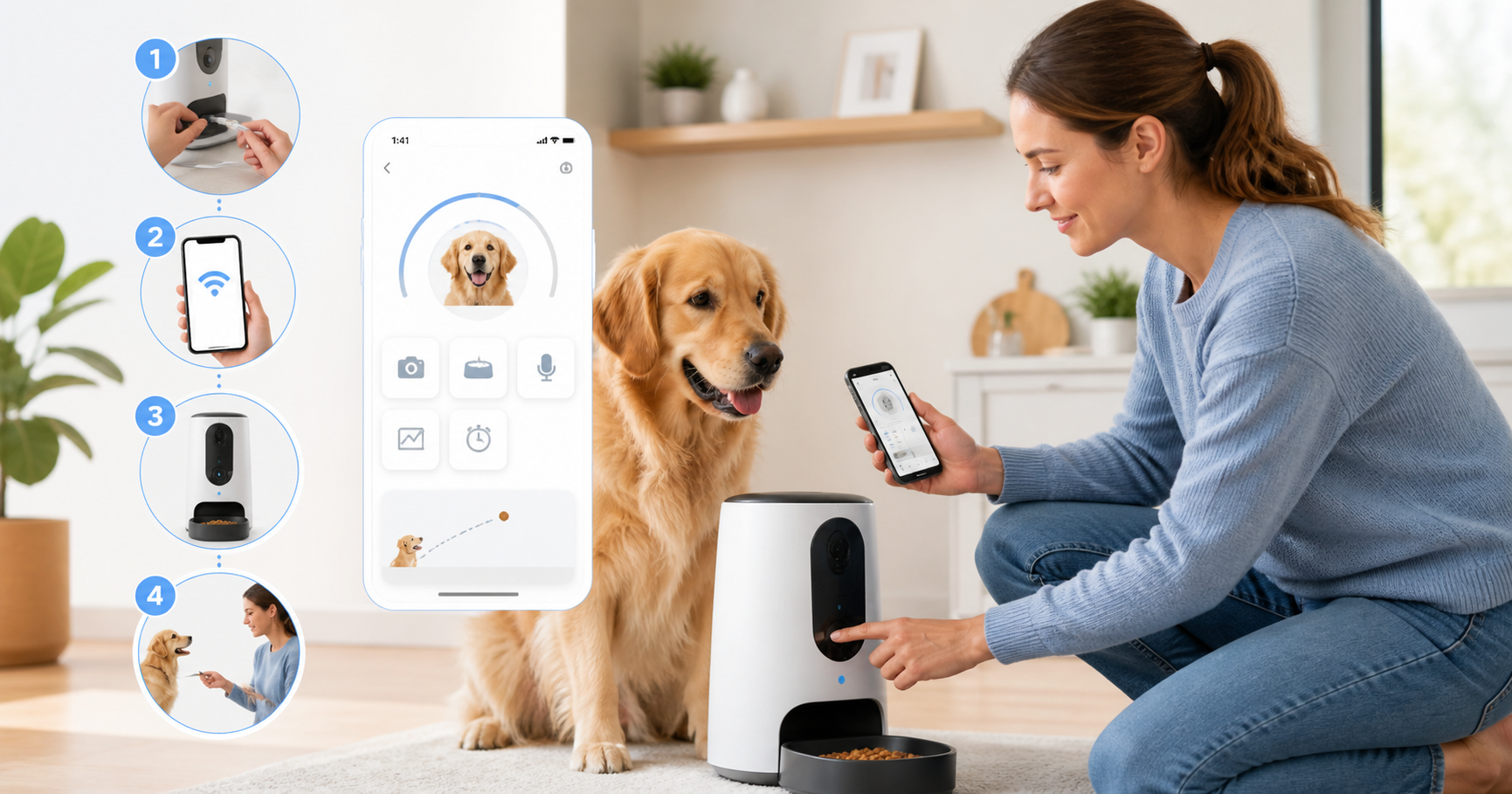
Understanding how does dog gps tracker review work can help pet owners make smarter decisions when selecting smart pet devices. If you’re looking to add GPS tracking to your dog’s collar, knowing the setup process, app features, tracking reliability, and daily usability is essential. This helps ensure your pet’s safety while also delivering convenience and insights into their activity level.
Disclosure: As an Amazon Associate I earn from qualifying purchases.
Check the latest availability on Amazon:
View product on Amazon
Quick Answer
A dog GPS tracker works by pairing a compact GPS-enabled device with a smartphone app, allowing owners to monitor their pet’s real-time location and activity. After attaching it to your dog’s collar and completing the app setup, you can track your dog’s movements remotely. This technology enhances pet safety and offers peace of mind, especially for outdoor or adventurous dogs.
How Dog GPS Trackers Help Pet Owners Understand Location Tracking
GPS trackers for dogs bring new levels of convenience and safety to pet ownership. They are designed to work seamlessly with smartphone apps, offering live location updates and sometimes additional features like activity monitoring. This is particularly useful for pet parents who frequently take their dogs on hikes, in large yards, or open spaces where pets can roam freely but safely. Apart from pinpointing location, these devices can help in setting virtual fences, giving alerts if the dog goes beyond a set boundary.
Smart pet devices like GPS trackers support app-connected pet care by putting essential information in your hands. This can drastically reduce the anxiety that comes from worrying about lost pets or unexpected wanderings. Also, since many trackers offer activity data, they help owners monitor health and exercise, aligning with the growing pet health tracking trend.
Key Features
| Feature | What It Means | Real-World Benefit | What to Check |
|---|---|---|---|
| GPS Location Tracking | Uses satellite signals to locate your dog’s position | Real-time updates mean you can find your dog quickly in case they wander off | Ensure good GPS signal in your area and check device range limits |
| Mobile App Integration | Connect the device to your smartphone for easy monitoring | Convenient access to tracking, activity data, and alerts anytime, anywhere | Review app interface for ease of use and reliability of notifications |
| Virtual Fencing | Set customizable boundaries or safe zones for your pet | Receive alerts when your dog leaves designated areas, helping prevent escapes | Check if the app supports flexible boundary settings |
| Battery Life | Duration the tracker operates between charges | Longer battery life means less frequent charging and hassle for busy owners | Verify expected battery life and charging method |
| Durability & Water Resistance | Device designed to withstand rough play and weather | Ensures the tracker continues to work outdoors and in wet conditions | Confirm water resistance ratings and build quality |
Real-World Trade-Offs to Consider
While GPS trackers bring many advantages, some trade-offs might affect your experience. A practical limitation to consider is the device’s battery life — depending on use and GPS frequency, you might need to recharge often. The size and weight of the tracker relative to your dog’s breed could also influence comfort and wearability. Some apps experience occasional connection issues or delay in notifications, so app reliability is worth assessing before your purchase.
Subscription fees are often part of GPS trackers, linked to cellular coverage and data use. This can be a recurring cost to factor in. Additionally, the accuracy of GPS varies depending on network coverage and environment (such as dense urban areas or forests). For many pet owners, the trade-off is balancing real-time tracking with these practical considerations.
Who This Is Best For
- Dog owners who frequently allow their pets outdoor freedom, especially in unfamiliar or open environments
- Busy pet parents seeking convenient app-connected pet care and location monitoring
- Outdoor enthusiasts who want to take their dogs hiking or camping while ensuring safety
- Tech-savvy pet owners interested in combining health tracking with GPS location
- Anyone wanting added peace of mind through alerts about their pet’s whereabouts
What to Watch Out For
- Subscription fees that may apply for cellular network service to enable real-time tracking
- Network coverage limitations that might affect GPS accuracy and update frequency
- Occasional app reliability concerns like delayed notifications or connectivity glitches
- Battery charging frequency, which can be an inconvenience if recharging is required often
- Device size and collar comfort, particularly for smaller breeds or pets sensitive to collar weight
- Durability and water resistance to ensure it withstands outdoor conditions and your dog’s activity level
- Cleaning needs, especially if the tracker attaches to a collar exposed to dirt or moisture
Pros and Cons
| Pros | Cons |
|---|---|
| Provides real-time location tracking for pet safety | May require subscription plan for full functionality |
| App integration allows easy monitoring and alerts | Battery life may necessitate frequent charging |
| Enables virtual fences for boundary control | GPS accuracy can vary depending on environment and coverage |
Buying Advice From a Pet Shop Perspective
From over 20 years working in pet shops, the main advice when choosing a dog GPS tracker involves considering your dog’s size and activity level alongside your lifestyle. Smaller dogs might need lighter devices to avoid discomfort. The app connected to the tracker should have a straightforward interface and consistent notifications—complex or glitchy apps defeat the convenience factor.
Also, check if there are any subscription fees tied to cellular service and factor those into your budget. Battery life matters since frequent recharging can get tedious for busy owners. Durability and water resistance are crucial if your dog spends a lot of time outside in varied weather. Finally, consider the return policy to ensure that you can test the product risk-free to confirm it fits your and your pet’s needs.
Frequently Asked Questions
Does the GPS tracker work for cats as well?
While designed primarily for dogs, many GPS trackers with small, lightweight profiles can be used for cats. However, cats’ behaviors and the comfort of the device on smaller collars should be carefully considered.
Are there subscription fees to use the tracker?
Most GPS trackers require a subscription plan for cellular network services to provide real-time location updates and alerts. The details and cost vary by provider, so it’s important to research these before buying.
How long does the battery last on a typical charge?
Battery life depends on device model and usage patterns but expect to recharge every few days to a week. Trackers with frequent GPS pings consume more power, so setting the tracking frequency to suit your needs can help.
Is the tracker waterproof and durable enough for active dogs?
Many dog GPS trackers are built to be water-resistant and able to handle typical outdoor conditions. Still, verifying the device’s durability and water resistance rating is advisable if your dog is particularly active or aquatic.
How accurate is the GPS location tracking?
GPS accuracy depends on satellite coverage and local environment. Open areas typically yield more precise location data, while dense urban areas or heavy tree cover might reduce accuracy or delay updates.
Will the tracker work indoors?
GPS signals are less reliable indoors, so location updates may be delayed or less accurate inside homes. Some trackers combine GPS with Bluetooth or Wi-Fi to improve indoor tracking, but most perform best outdoors.
Check the latest availability on Amazon:
View product on Amazon
Final Verdict
A dog GPS tracker can be a valuable tool for pet owners wanting enhanced monitoring, pet safety, and convenience through smart pet technology. It is especially helpful for owners of active dogs or those who let their pets roam in open spaces. Before opting for one, keep in mind the potential subscription costs, battery maintenance, app quality, device size, and durability to ensure it fits your pet’s lifestyle and your tech preferences. Choosing the right GPS tracker means balancing these factors for reliable and comfortable everyday use.