
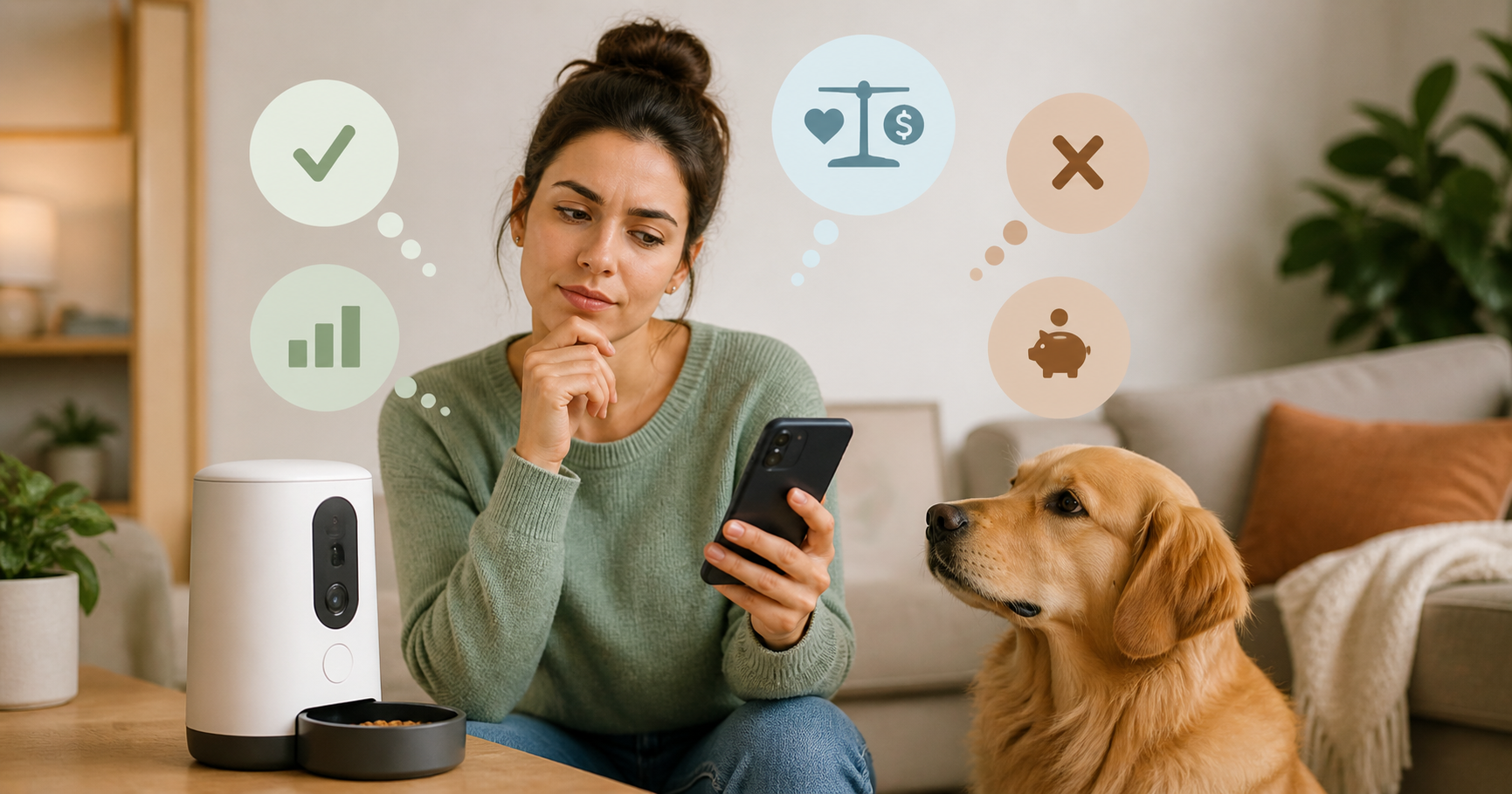
Many pet owners today are turning to smart technology to keep their furry friends safe and closely monitored. If you’re wondering is best dog gps tracker worth it for your pet, this article breaks down the practical benefits, features, and potential drawbacks from a seasoned pet shop professional’s point of view. Whether you have an adventurous dog or just want some peace of mind when you’re away, understanding how this kind of pet tech fits into everyday care is essential before making a purchase.
Disclosure: As an Amazon Associate I earn from qualifying purchases.
Check the latest availability on Amazon:
View product on Amazon
Quick Answer
The best dog GPS tracker can be a valuable tool for pet owners who prioritize pet safety and convenient location tracking. It offers real-time alerts and app-connected control, making it easier to monitor your dog’s whereabouts. However, it’s important to consider factors like subscription fees, battery life, and app reliability before deciding if it fits your lifestyle and needs.
Is Best Dog GPS Tracker Worth It for Real Pet Owners?
Dog GPS trackers address a major concern: knowing where your pet is at all times. For dogs that spend time outdoors, in large yards, or accompany you on hikes, these devices help provide peace of mind without constant physical supervision. App-connected GPS trackers allow users to set safe zones, receive escape notifications, and track movement history through their smartphones. This kind of connectivity is useful for busy pet parents who want to balance work, travel, or errands with responsible pet care.
That said, no GPS tracker can guarantee zero risk. Trackers require regular charging and often involve a monthly subscription for cellular service. Their accuracy depends on network coverage and technology used, so it’s best to view them as valuable tools rather than foolproof solutions. Understanding these trade-offs helps pet owners make an informed choice for their dog’s safety and health monitoring.
Key Features
| Feature | What It Means | Real-World Benefit | What to Check |
|---|---|---|---|
| GPS Real-Time Tracking | Uses satellite and cellular networks to provide location updates. | Enables instant location awareness from your phone, especially useful when your dog roams or escapes. | Check coverage areas and update speed to ensure you get timely alerts. |
| Geofencing | Allows setting virtual safe zones for your pet. | Alerts you if your dog leaves the designated area, helping prevent lost pets. | See how sensitive and customizable the geofence settings are. |
| App Connectivity | Companion smartphone app for monitoring and notifications. | Provides convenience by managing settings, viewing history, and receiving alerts remotely. | Evaluate app interface, usability, and compatibility with your device. |
| Battery Life and Charging | How long the tracker runs before needing recharge. | Long-lasting battery reduces the hassle of frequent charging and downtime. | Check typical battery life and charging method (USB, dock, etc.). |
| Durability and Comfort | Build quality and how the tracker fits on your dog’s collar. | Comfortable and waterproof designs prevent irritation and withstand outdoor conditions. | Confirm size, weight, and water resistance suit your dog’s breed and lifestyle. |
Common Buyer Concerns to Check Before Buying
When considering a dog GPS tracker, several practical issues often come up. One is the ongoing subscription fee necessary for many trackers due to cellular network use—be sure to factor this into your budget. App reliability can vary, with some users experiencing delayed notifications or connection hiccups, which may affect timely alerts. Battery life differs widely; frequent charging can become an inconvenience, especially for very active dogs.
The physical size and comfort of the tracker is another matter that deserves attention. A bulky or heavy device could bother smaller dogs or sensitive pets. Durability is important too—with frequent outdoor use, you want a tracker that resists water and rough play. Lastly, network coverage can be patchy in remote or densely wooded areas, limiting GPS accuracy and effectiveness. These are worth verifying based on where and how your dog spends time.
Who This Is Best For
- Dog owners who take their pets on walks, hikes, or outdoor adventures where GPS tracking adds safety.
- Busy pet parents who want an easy way to monitor their dog’s location remotely via smartphone.
- Owners of dogs that have a history of wandering or escaping fenced yards.
- Pet parents interested in integrating location tracking with other smart pet devices for holistic pet care.
- Those comfortable with managing subscription services and smartphone apps.
What to Watch Out For
- Subscription fees necessary for cellular GPS tracking that add ongoing cost.
- Limited network coverage in rural or remote areas may reduce tracking accuracy.
- Some apps have occasional reliability and connectivity issues leading to delayed alerts.
- Battery life varies—expect to charge the device regularly to maintain service.
- Device size and weight should match your dog’s size to avoid discomfort.
- Water resistance rating is important if your dog swims or plays in wet conditions.
Pros and Cons
| Pros | Cons |
|---|---|
| Real-time GPS tracking offers peace of mind for active, roaming dogs. | Subscription fees are an ongoing expense to consider. |
| Geofencing features provide automated alerts if your dog leaves safe zones. | Battery life requires frequent attention and charging. |
| App-connected setup enables convenient monitoring from anywhere. | Some users may encounter occasional app or connectivity issues. |
Buying Advice From a Pet Shop Perspective
From over 20 years of experience helping pet owners find the right products, a GPS tracker can be a smart addition but is not a one-size-fits-all solution. Make sure to match the tracker’s size and comfort to your dog’s breed and daily activities so it doesn’t interfere with its collar or feel bulky. Look closely at the app interface and compatibility with your smartphone to avoid frustration with setup and daily use.
Consider subscription and monthly fees, as these can add up over time and some owners prefer devices with fewer hidden costs. Battery life and charging convenience are important, especially for busy owners—choose a tracker that balances long-lasting performance with easy recharging. Confirm the tracker is durable and water-resistant if your dog enjoys swimming or rough play. Finally, check the seller’s return policy in case the tracker doesn’t meet your expectations.
Frequently Asked Questions
Does the best dog GPS tracker work with cats?
While some GPS trackers are designed to fit smaller collars and might work for cats, many are sized for dogs and may be too bulky or heavy for feline use. Check the device specifications and size recommendations before using it on a cat.
Are there subscription fees involved?
Most GPS trackers use cellular networks to provide accurate location data and typically require a monthly or annual subscription fee. Be sure to review these costs before purchasing as they are necessary to maintain reliable service.
How often does the tracker need to be charged?
Battery life varies by model but expect to charge the device anywhere from every few days up to a week. Charging frequency depends on usage, tracking intervals, and the tracker’s battery capacity.
Is the tracking accurate in all locations?
GPS tracking accuracy depends on satellite signal and cellular coverage. It works well in urban and suburban areas but may be less reliable in rural or heavily wooded locations. GPS signals can also be delayed indoors.
Can I use the tracker for indoor pets?
GPS trackers are designed primarily for outdoor location tracking and may have limited use indoors due to weak satellite signals. For indoor monitoring, other smart pet devices like cameras or activity trackers might be more effective.
What happens if the app loses connection?
If the app temporarily loses connection, location updates and alerts may be delayed. Most apps store recent data and refresh when the signal returns. Having a reliable internet connection and choosing a tracker with good app support helps minimize this issue.
Check the latest availability on Amazon:
View product on Amazon
Final Verdict
The best dog GPS tracker can offer real benefits to pet owners looking for smarter monitoring and added peace of mind about their dog’s safety. It is especially useful for outdoor or adventurous dogs and busy pet parents who want convenient app control and escape alerts. However, it’s important to keep realistic expectations regarding subscription fees, battery charging, device comfort, and app reliability. Evaluating compatibility with your pet’s lifestyle and your own routine will help ensure the tracker is a practical and worthwhile investment.