
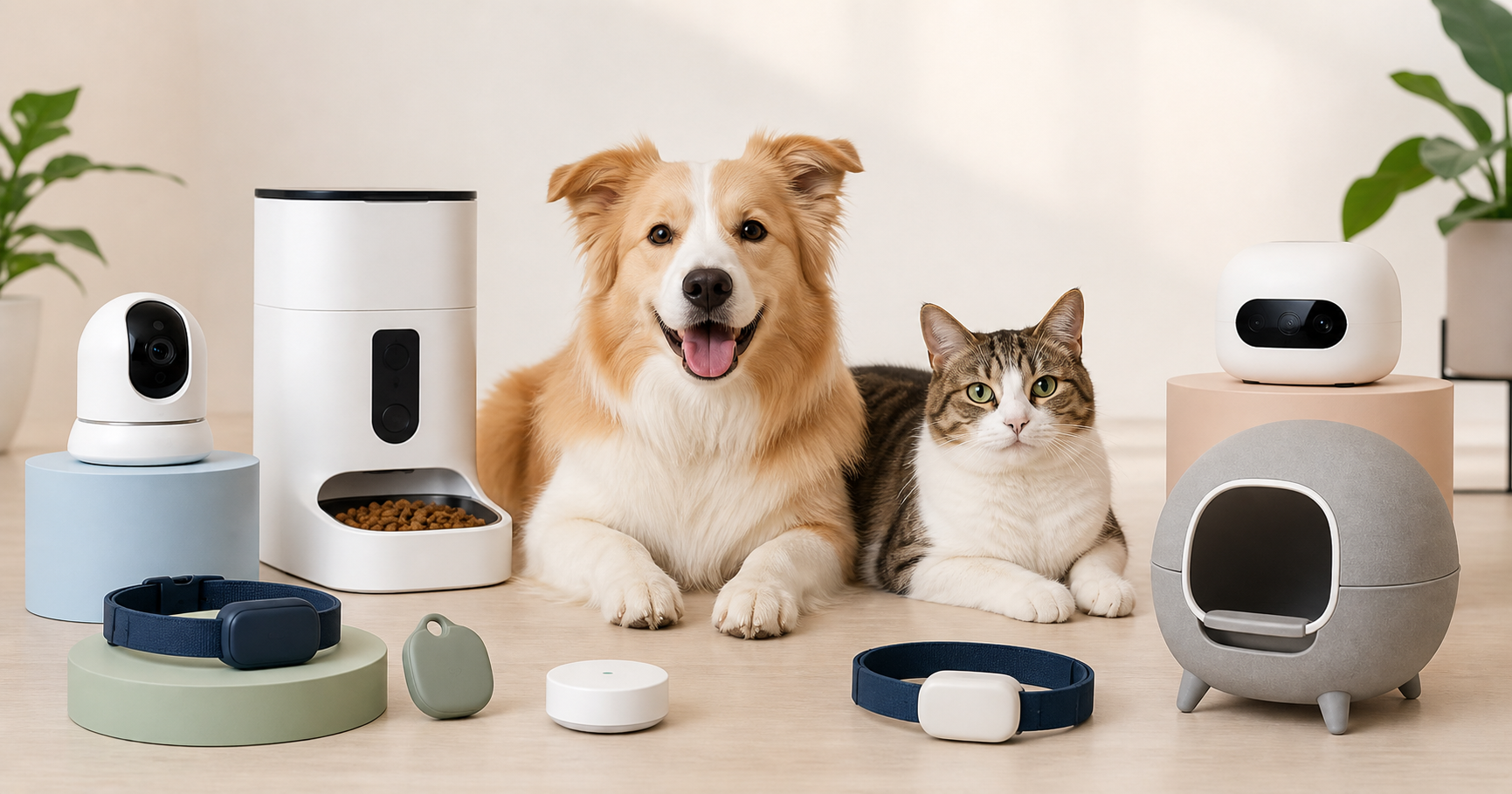
If you’re exploring the best way to keep track of your dog’s location, comparing a dog GPS tracker with app versus alternative pet safety solutions is the right place to start. With so many smart pet devices on the market — from basic Bluetooth trackers to advanced smart collars — understanding which features matter most will help you make an informed choice. This article breaks down key differences in features, usability, subscription models, and overall value so you can decide what fits your lifestyle and your pet’s needs.
Disclosure: As an Amazon Associate I earn from qualifying purchases.
Check the latest availability on Amazon:
View product on Amazon
Quick Answer
A dog GPS tracker with app offers real-time location tracking that usually surpasses Bluetooth-only devices or non-smart collars by providing more accurate data and convenient remote monitoring. However, some alternatives may be better in terms of cost or battery life, especially if you don’t need continuous tracking. The decision depends on your priorities around subscription fees, device weight, and how tech-savvy you want your pet’s safety setup to be.
Why Comparing a Dog GPS Tracker With App Versus Alternatives Matters
For dog owners who care deeply about pet safety and convenience, a GPS tracker that connects to your smartphone app can be a game-changer. These trackers work through global positioning systems, often combined with cellular networks, allowing you to view your dog’s location anytime and anywhere. In contrast, other alternatives such as RFID tags, Bluetooth-only devices, or non-app smart collars may provide less detailed tracking or require closer proximity to your phone. Understanding the differences helps you decide if investing in a connected GPS tracker justifies the costs and maintenance for your lifestyle.
Additionally, subscription fees for cellular service or cloud data often come with GPS trackers, which is an ongoing cost that some pet owners prefer to avoid. Meanwhile, simpler trackers without apps may have no fees but fewer features. Usability is a big factor, too. An easy-to-use app can make regular check-ins seamless, while a poorly designed app can create frustration or limit the usefulness of the device.
Key Features
| Feature | What It Means | Real-World Benefit | What to Check |
|---|---|---|---|
| Real-Time GPS Tracking | Uses GPS satellites plus cellular networks to track location instantly via an app. | Allows pet parents to see exactly where their dog is at any moment, useful for escapes or outdoor adventures. | Verify network coverage in your area and whether the device offers accurate location updates. |
| Mobile App Compatibility | Smartphone app provides easy access to tracking, location history, and notifications. | Convenient remote monitoring and quick alerts when your dog leaves designated areas. | Check app user reviews for interface quality, update frequency, and reliability. |
| Subscription Service | Usually required for cellular data to enable GPS tracking and app connectivity. | Supports continuous tracking features but adds an ongoing monthly or annual cost. | Understand subscription fees and cancellation policies before purchase. |
| Device Size & Comfort | The physical dimensions and weight of the tracker attached to your dog’s collar. | Ensures your dog can wear it comfortably all day without irritation or slippage. | Confirm the size suits your dog’s breed and activity level, especially for smaller dogs. |
| Battery Life & Charging | How long the device operates before needing a recharge and the charging process. | Long battery life reduces hassle; simple charging keeps device ready for use. | Look for realistic battery life expectations and ease of charging with included accessories. |
| Durability & Water Resistance | Ability to withstand outdoor elements, moisture, and rough play. | Important for dogs that spend time outside or enjoy water activities. | Confirm IP rating or water resistance claims and user feedback on durability. |
Common Buyer Concerns to Check Before Buying
When choosing a dog GPS tracker with app, some owners may notice occasional connection drops if cellular service is spotty in their area, impacting real-time tracking reliability. App performance also varies; slow or buggy apps can interfere with fast alerts. Battery maintenance requires regular charging, and some devices may need daily or every few days charging depending on usage. The size and weight of the tracker should match your dog’s size to avoid discomfort — especially for small breeds. Additionally, subscription fees can add up, so it’s worth confirming the contract terms and whether a trial period is available.
Another practical consideration is how simple it is to clean and maintain the tracker since outdoor use exposes it to dirt and moisture. Some smart collars or trackers might have parts that need occasional replacement or special care to stay functional. These are all valid points for busy pet parents aiming to balance safety with manageable upkeep.
Who This Is Best For
- Dog owners who frequently take their pets outdoors, hike, or live in areas where pets may roam free.
- Busy pet parents who want quick, on-the-go access to their dog’s location through a smartphone app.
- Tech-savvy owners interested in app-connected pet care and streamlined monitoring.
- Owners with dogs prone to escapes or those living in suburban or rural areas where GPS tracking offers peace of mind.
- Pet parents willing to budget for subscription services to gain continuous monitoring benefits.
What to Watch Out For
- Subscription fees often apply for GPS trackers that use cellular networks, so confirm these costs before buying.
- Network coverage can affect tracking accuracy—rural or remote locations may experience delays or loss of signal.
- Some apps have mixed reviews regarding reliability or interface ease, so researching app performance is important.
- Battery life varies between models, with some requiring frequent charging that may not suit all owners.
- Device size and collar comfort are critical—oversized trackers may irritate smaller dogs.
- Cleaning and water resistance vary; ensure the tracker fits your dog’s activity level and outdoor exposure.
- Connection drops or delayed notifications may happen, which is worth considering if instant alerts matter most.
- Check the return policy in case the device or app doesn’t meet your expectations after purchase.
Pros and Cons
| Pros | Cons |
|---|---|
| Provides precise, real-time location tracking accessible via smartphone app. | Usually requires a paid subscription for cellular connectivity features. |
| Improves pet safety for outdoor adventures and reduces worry about lost dogs. | Battery may require regular charging, which could be inconvenient for some owners. |
| Compact design suited for daily wear on most dog breeds. | App reliability can vary; some users report connectivity or notification delays. |
Buying Advice From a Pet Shop Perspective
From over two decades of experience working with pet owners, I can say that the choice of a dog GPS tracker with app depends heavily on your daily routine and your dog’s habits. Always consider the tracker’s size and weight relative to your dog’s size to avoid discomfort. Test the app if possible or check for trustworthy user feedback to ensure it’s intuitive and stable. Subscription requirements should be factored into your budget—not just the upfront cost of the device. Battery life matters too; if frequent charging feels like a hassle, look for models with longer endurance or those that hold a charge well during your typical outing length.
Also, consider your local network coverage. If you live in an area with weak cellular signals, GPS trackers might not perform as promised. Finally, think about how much you want to manage maintenance like cleaning the device or updating software through the app. A device that fits naturally into your normal dog care routine stands the best chance of being useful over the long term.
Frequently Asked Questions
Are there usually subscription fees with dog GPS trackers with apps?
Yes, most GPS trackers using cellular networks require a subscription to enable location tracking and app connectivity. Fees vary by provider, so it’s important to review costs and cancellation policies before buying.
Can these GPS trackers be used on cats as well?
While some GPS trackers are designed for cats, many dog trackers are larger and heavier, which may not be comfortable or suitable for smaller pets like cats. Always check size and weight recommendations.
How long does the battery typically last on one charge?
Battery life depends on the tracker model and usage patterns but often ranges from a few days to a couple of weeks. Frequent GPS usage and app syncing can drain the battery faster, requiring more frequent charging.
Is the device water-resistant or waterproof?
Many dog GPS trackers offer some level of water resistance, enough for rain or light splashes, but not all are fully waterproof. For dogs that swim or play in water often, look for models with a higher water-resistance rating.
How accurate is the GPS location tracking?
GPS tracking is generally quite accurate, sometimes within a few feet, but accuracy can be affected by terrain, building interference, or cellular network strength.
What should I do if the app isn’t connecting to the tracker?
Check your cellular signal and Bluetooth connections, ensure the tracker is charged, and restart the app or device if needed. Persistent issues may require contacting customer support or updating the app software.
Check the latest availability on Amazon:
View product on Amazon
Final Verdict
A dog GPS tracker with app is a practical choice for dog owners who want real-time location awareness and app-connected convenience. It helps provide peace of mind during outdoor activities or for pets that have a tendency to wander. However, the ongoing subscription fees, the need for regular battery charging, and potential app reliability issues mean it’s important to choose carefully based on your lifestyle. Also, consider collar comfort, coverage in your area, and cleaning ease before committing. When matched to the right owner’s needs, it can be a valuable addition to everyday pet care.