
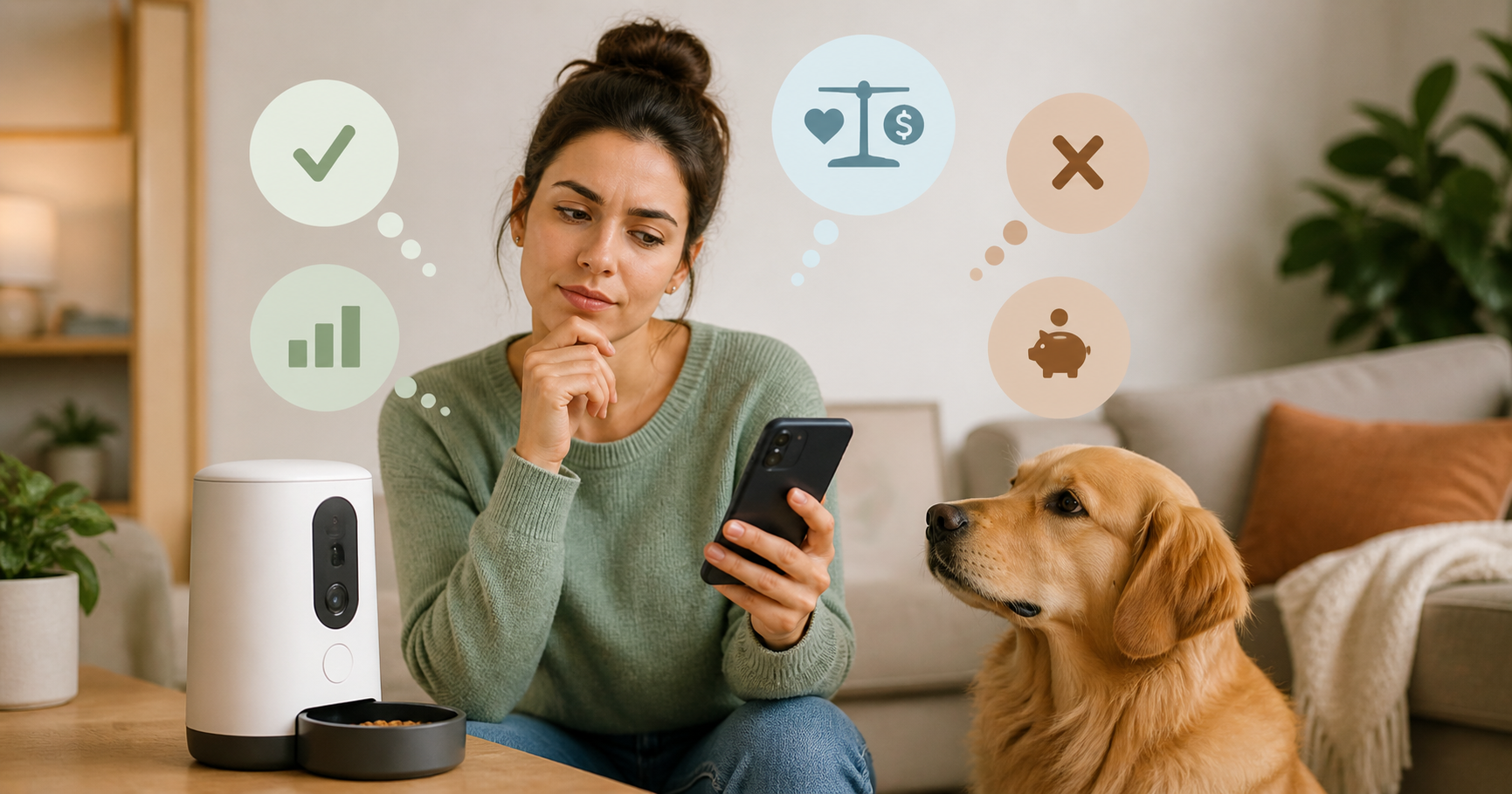
For small dog owners, the question often arises: is dog GPS tracker for small dogs worth it? With the rise of smart pet devices, these trackers promise improved safety and peace of mind. However, smaller breeds can present unique challenges when it comes to device size, comfort, and accurate tracking. In this article, we’ll explore how these devices support everyday pet care, what features really matter, and practical considerations before making a purchase.
Disclosure: As an Amazon Associate I earn from qualifying purchases.
Check the latest availability on Amazon:
View product on Amazon
Quick Answer
Dog GPS trackers designed for small dogs can be a valuable tool for pet safety, especially for dogs who spend time outdoors or with their owners frequently on the go. They provide real-time location tracking which helps prevent lost pets. However, their usefulness depends on factors such as device size, battery life, subscription fees, and app reliability. For busy pet parents wanting smarter monitoring, these devices can offer convenience and peace of mind but come with some trade-offs.
Is Dog GPS Tracker for Small Dogs Worth It for Everyday Pet Safety?
GPS trackers tailored for small dogs address specific concerns related to the size and comfort of the device. Unlike standard trackers, these models tend to be lightweight and compact, which is crucial for small breeds that can easily be bothered by bulky collars. Beyond size, GPS trackers allow pet owners to monitor their dog’s location via smartphone apps, providing quick alerts if the dog wanders beyond safe zones. This can be particularly valuable for owners living in busy urban areas, near highways, or in rural places where pets can roam farther than expected.
Additionally, many of these trackers include features like activity monitoring to gain insights into a dog’s exercise levels and overall health trends. For owners juggling busy schedules, the ability to remotely check in on their pet’s whereabouts and wellbeing adds a layer of reassurance that traditional collars and tags cannot offer.
Key Features
| Feature | What It Means | Real-World Benefit | What to Check |
|---|---|---|---|
| Compact and Lightweight Design | Smaller casing and reduced weight | Comfortable for small dogs to wear without irritation or interference with movement | Ensure size fits your dog’s neck circumference; avoid bulky devices |
| Real-Time GPS Location Tracking | Uses satellite signals to pinpoint pet’s location on a map instantly | Allows quick recovery if your dog escapes or gets lost | App accuracy and update frequency vary; check GPS precision in your area |
| Activity and Health Tracking | Tracks steps, rest times, and general activity patterns | Offers insight into your dog’s daily exercise and wellbeing trends | Verify app interface and data accuracy; some models offer more detailed health metrics |
| Smartphone App Integration | Connects device to your phone via cellular or Bluetooth | Enables remote monitoring and alerts on your phone with convenience | Check app reviews for reliability; consider compatibility with your smartphone |
| Subscription Service | Uses cellular networks to support GPS tracking | Keeps real-time tracking active; typically requires a monthly fee | Confirm subscription costs and terms before purchase; consider network coverage |
| Battery Life and Charging | Rechargeable batteries last between a day and over a week, depending | Longer battery life reduces frequent charging; important for active or outdoor dogs | Check actual battery life claims; handy charging methods are a plus |
Common Buyer Concerns to Check Before Buying
While dog GPS trackers for small dogs offer clear benefits, some practical issues should be considered. App reliability is a frequent concern—disconnections, delayed notifications, or difficulty syncing can hinder the tracking experience. Network coverage can also affect GPS accuracy; rural or low-signal areas might limit real-time updates. Owners should be aware that most trackers require a subscription to maintain cellular connectivity, which adds an ongoing cost.
Battery life and charging frequency also impact convenience. A tracker with short battery life means more frequent charging, which some owners may find cumbersome. Additionally, the size and comfort of the tracker matter significantly for small breeds. Some devices, despite marketing claims, may still feel bulky or heavy on a tiny neck. Durability and water resistance are important as well—pets that spend time outdoors or in wet conditions need devices built to withstand those environments.
Lastly, buyers should check the cleaning and maintenance process. Collars can get dirty quickly, and some tracker units are not easy to detach or clean, which might reduce their lifespan or comfort.
Who This Is Best For
- Small dog owners who want real-time location tracking to prevent lost pets.
- Busy pet parents who appreciate app-connected care to monitor activity and health remotely.
- Outdoor enthusiasts who take dogs on hikes or trips where safety monitoring is crucial.
- Tech-savvy dog owners seeking smarter options beyond traditional collars and tags.
- Those living in areas with good cellular coverage to ensure consistent tracking.
What to Watch Out For
- Subscription fees required for many GPS trackers to function properly.
- Possible connectivity issues in remote or low-network coverage areas.
- Device size and weight should suit your small dog’s comfort and safety.
- Battery life may require regular charging, raising daily maintenance.
- App reliability varies; some apps have delayed notifications or complex interfaces.
- Cleaning the tracker and collar regularly is important to maintain hygiene and device lifespan.
Pros and Cons
| Pros | Cons |
|---|---|
| Provides peace of mind with real-time GPS location updates. | Often requires monthly subscription fees for cellular service. |
| Compact size helps ensure comfort for small dog breeds. | Battery life can be limited, requiring frequent recharging. |
| App-connected features allow monitoring of activity and health patterns. | Network and app reliability can be inconsistent depending on location. |
Buying Advice From a Pet Shop Perspective
From my 20+ years in the pet retail industry, I recommend carefully considering your dog’s size and activity level when choosing a GPS tracker. Device comfort is critical for small dogs—look for a lightweight, slim profile that won’t irritate or weigh down your pet’s neck. Test the app for ease of use and responsiveness on your smartphone before committing, and always read the fine print about subscription fees and network compatibility.
Battery life is a practical aspect that impacts everyday convenience. A tracker with longer battery life is more suitable for active owners who may not be near charging points daily. Also, check if the tracker is water-resistant and durable, especially if your dog enjoys outdoor activities or swims. Consider cleaning requirements since dirt and moisture can accumulate quickly.
Lastly, verify the return policy so you can ensure the device fits your pet and lifestyle before fully committing. Smart pet devices should complement your routine without adding hassle.
Frequently Asked Questions
How much do subscription fees typically cost for dog GPS trackers?
Subscription fees vary by provider but generally range from a few dollars to around $15 per month. These fees cover cellular data necessary for real-time tracking and app connectivity.
Can GPS trackers designed for small dogs also work for cats?
Some GPS trackers are marketed for both cats and small dogs, but size, collar attachment, and comfort should be assessed carefully when using them on cats, as their behavior and neck size differ.
How accurate is GPS tracking in these small dog trackers?
GPS accuracy depends on satellite signals and cellular coverage. Most trackers provide location updates within a few feet under good conditions, but dense urban areas or rural spots with limited signal may reduce precision.
Are these trackers waterproof or water-resistant?
Many dog GPS trackers offer some level of water resistance for light rain or splashes, but not all are fully waterproof. Check product details to ensure suitability if your dog swims or spends time in wet environments.
How often will I need to charge the tracker’s battery?
Battery life varies widely, from one or two days to a week or more depending on usage and model. Frequent updates and GPS use generally reduce battery duration, so expect to charge regularly.
Is the smartphone app easy to set up and use?
App usability varies by brand. Some are straightforward and user-friendly, while others may have delays or complicated interfaces. Reading user feedback and trying demos can help evaluate app quality.
Check the latest availability on Amazon:
View product on Amazon
Final Verdict
For small dog owners looking for enhanced safety and smarter pet care, a GPS tracker designed specifically for smaller breeds can be a worthwhile investment. These devices offer peace of mind through real-time location tracking, plus the convenience of activity monitoring via smartphone apps. However, buyers should carefully weigh factors like subscription costs, battery life, device comfort, and app reliability before committing.
Smart pet devices offer useful tools for busy pet parents and outdoor enthusiasts alike, but they are not perfect solutions for every situation. Checking network coverage in your area and ensuring the tracker fits comfortably on your dog are important steps. If you want to add a layer of protection and modern pet care convenience, a smaller dog GPS tracker can serve well with realistic expectations.